

 29 July 2026
Even after decades of technology evolution and adoption across the utilities sector, pipeline practices still vary from one region to the next.
This disparity was made evident again to our team when we attended IFAT Munich 2026 – the world’s leading trade fair for water, wastewater, and environmental technologies. Here, we had many discussions with utility operators and distributors which kept returning to one central topic – the increasing need for engineering companies to keep pace with growing global demand for standardized tooling that supports the efficient local installation of more resilient pipeline networks
In this article, we will explore how we at Hy-Ram act as the trusted partner behind distributors to help them navigate confusing standards, differing interpretations, and varying working practices. We explore how manufacturers and distributors can work together to bridge these differences and deliver the right solutions for every market.
Insights from IFAT 2026
Back in May, our team returned to IFAT for the fifth time, and it was a truly valuable experience. This year was particularly special as we proudly celebrated our 50th anniversary and showcased a range of new and updated products, including the brand new DrillMaster 12.

More than anything, it gave us a clear picture of where the global pipeline industry stands today. These key themes emerged from our discussions with partners and customers:
- Even for processes that have been industry standards for decades, mandated tooling varies between regions. For example, differences in tooling for electrofusion and PE pipe squeeze off applications are entirely different in neighbouring utility networks despite strict protocols in one country.
- There’s a fascinating divide in technology adoption. Methods that are considered standard practice in one region, such as specific Butt Fusion preferences that have been used for decades, remain unfamiliar methods in other markets.
This learning went both ways. We saw immense interest in our under-pressure drilling equipment, particularly the DrillMaster 4, 6, and 12 ranges, from markets where we have never previously traded. Engaging with these new operators allowed us to understand their unique regional standards and explore how we can support the development of their network.
As we operate across 60 countries and over 100 water and gas networks, we are in a unique position to gather real-world data and feedback from across the globe. By sharing our diverse experiences and knowledge from various markets with our distribution partners, we can help them to solve local challenges.
To understand why these regional differences occur in the first place, we need to take a closer look at the friction between global standards and local realities.
The reality of global pipeline networks
Industry regulations and certifications, such as ISO Management Systems, are vital for upholding safety and quality standards for utilities. However, they focus on baseline performance outcomes rather than outlining step-by-step procedures – leaving room for interpretation by local authorities and networks.
Rather than specifying how the outcome must be achieved for a level of quality that is required for the end-customer, it only states what the result must be. For example, while many regulations state that pipe scraping is a crucial process to remove the oxidised outer layer from PE pipes ahead of electrofusion welding, they may not mandate how this is done. Local utilities may then interpret this differently – either using a hand scraper or mechanical tool.
This variation means that a procedure or piece of equipment that is fully compliant in one country may be unfamiliar, or even prohibited, for other utility networks in neighbouring countries.
Therefore, a one-size-fits-all approach often doesn’t work. The problem for distributors is that they must ensure they are recommending the right solution every time. But how can they make sure it works perfectly in one place, while it contradicts established practices in another?
Distributors face many differences across borders, including:
- Distinct installation methods
- Differences in environmental conditions
- Varying levels of operator experience
- Pipeline materials and applications
- Project budget limitations
Luckily, the distributors and local partners that we work with have the market knowledge and understanding of what these operational and financial challenges are. We at Hy-Ram also have extensive knowledge of what other global markets utilise. With our capabilities to design, manufacture, and offer a suitable solution for every client, we are able to bridge these knowledge gaps and provide a piece of equipment that suits their requirements.
Beyond specifications and understanding the application
When reviewing equipment for pipeline maintenance or repair work, it is easy to assume that two tools can perform the same job, especially if they meet the same specifications. However, while they appear to fulfil the same purpose, the choice between them can affect operational outcomes, including:
- Consistency
- Quality
- Efficiency
- Safety
- Long-term performance
A piece of equipment that performs well also needs to be practical towards local working contexts. It may be the perfect choice for spacious trenches, but inefficient, or even unsafe, in tighter urban excavations.
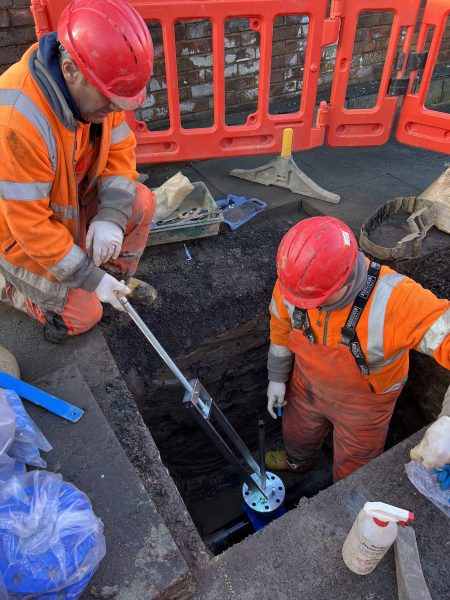
To prevent issues and ensure that those operational outcomes are only positively impacted, choosing the right equipment requires asking why the tool or method is being requested.
This is where the true value of the distributor in this chain lies. By taking time to understand the local application, navigating conflicting standard interpretations, and consulting with their customers, distributors can more accurately and confidently recommend equipment that best fits the environment.
A practical example: mechanical scraping vs hand scraping
The vital process of preparing PE pipes for electrofusion welding involves scraping off the oxidised layer in order to produce a better weld. However, as previously mentioned, some regulatory bodies do not specify whether this should be done mechanically or by hand.
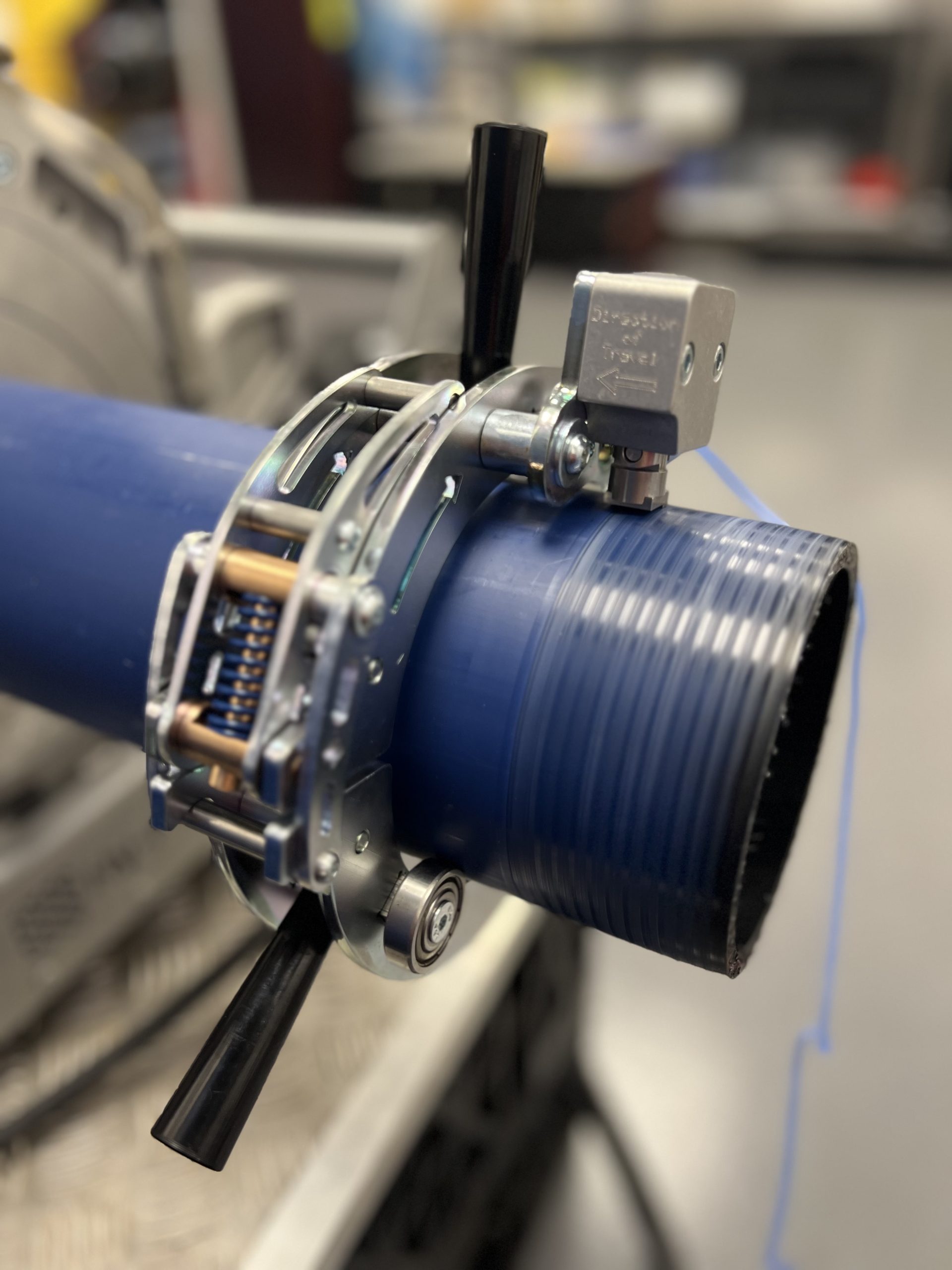
- Mechanical scraping: many utility networks strictly mandate mechanical rotary pipe scrapers as they guarantee a much more uniform peel depth across the fusion zone. This removes any human error that may hinder the joint integrity.
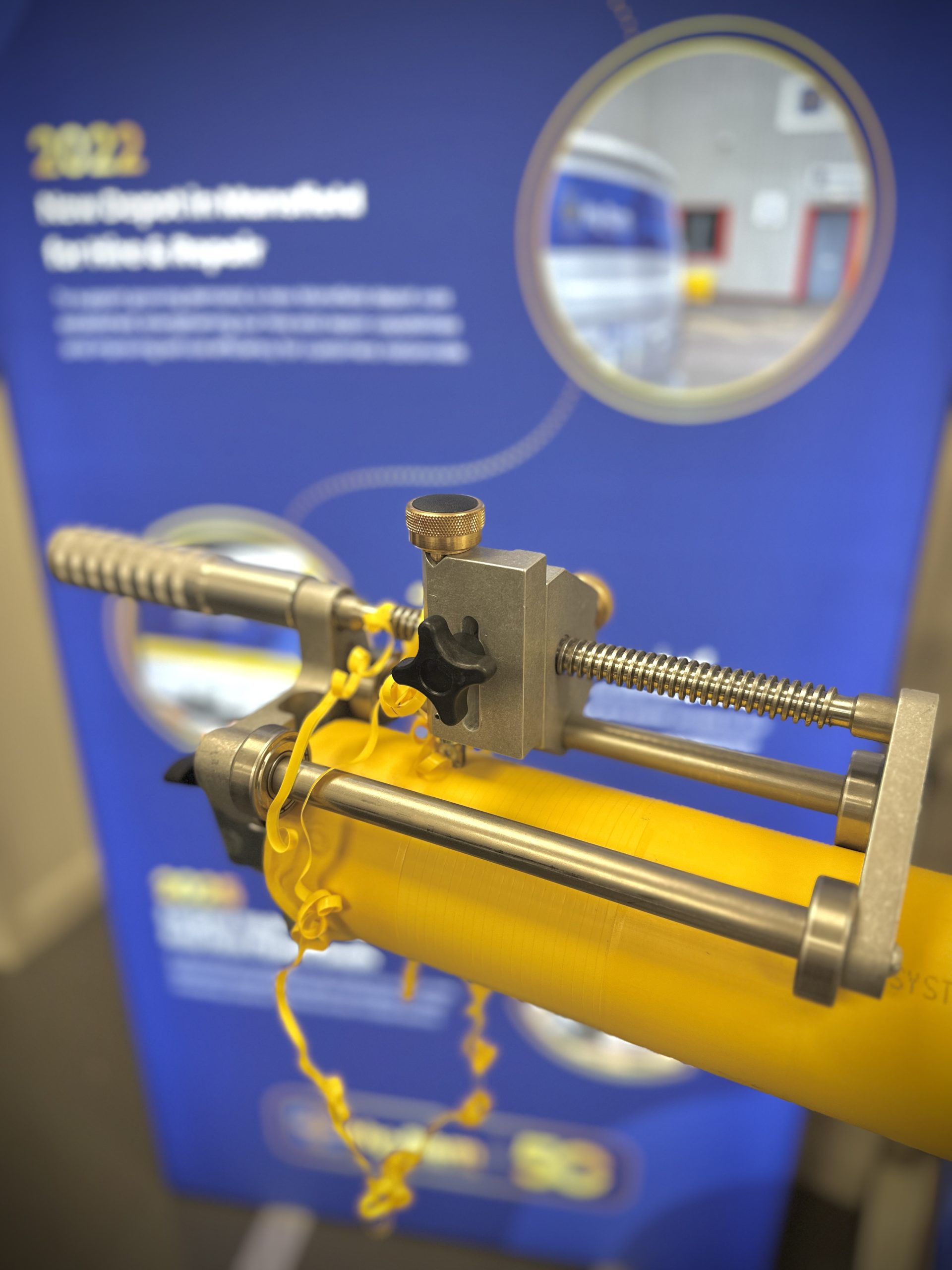
- Hand scraping: manual quality hand pipe scrapers still remain an established method in many global markets that use low pressure PE installations. While never achieving the uniform, standardised scraping finish of a mechanical scraper, they can provide lower equipment costs, are simple to use, and are well-suited to small diameter pipes.
While neither method is the wrong choice when used under local guidelines, distributors will need to know why a market prefers one approach over another.
Whether a network demands the automated precision of a mechanical tool, or the flexibility of manual tools for smaller pipes, understanding local contexts around the need for the tool will ensure they recommend the right equipment for the operational reality.
The value of an experienced technical partner
For distributors to be sure that they are recommending the right solution for each tooling request, it is crucial for them to partner with an experienced manufacturer with a global presence to understand those local markets.
At Hy-Ram, we manufacture a range of specialist equipment and tooling for sales or hire services. We’ve been designing and developing specialist pipeline equipment for 50 years, forming partnerships in over 60 countries, and actively supplying to over 100 water and gas networks. We understand that expertise isn’t defined by one market or standard.
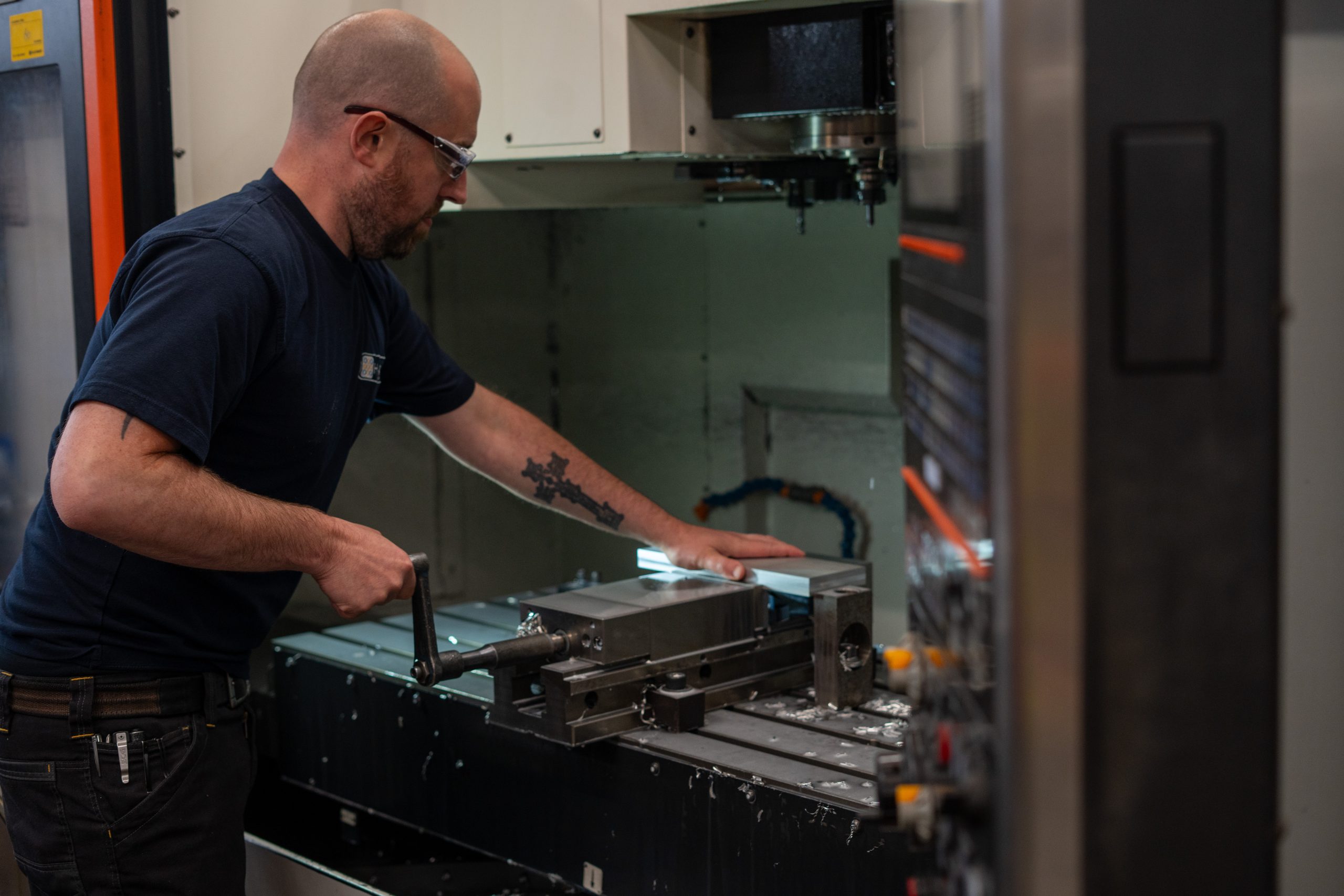
When local standards interpretation creates confusion, we can provide the engineering expertise, and historical knowledge of manufacturing to ensure the end-customer gets exactly what they need while adhering to those regulations. Our in-house design and manufacturing capabilities also mean we can engineer custom solutions tailored to specific client and regulation requirements.
Ultimately, our experience and expertise in the field allows us to empower our global network of over 50 specialist distributors. We can also supply:
- Product application knowledge and helping clients to know when, and which of our products will be the best choice
- Training
- Application advice
- Aftersales support
Partner with a trusted manufacturer today
As pipeline networks expand globally, local knowledge backed by decades of experience is the key to success. Distributors don’t need to navigate these differing global standards and local practices alone – having a high-quality, reliable manufacturer makes all the difference.
At Hy-Ram, we supply the tools professionals trust. They’re built for performance, designed for safety, and supported by decades of industry experience. Whether you’re working on water, gas or industrial distribution networks, you’ll find the equipment you need to get the job done right.
To find out more about our hire, sales, or training services to help you understand standards and equipment requirements for your next utility network project, contact our team of experts today.


